
Feathers or Manmade Fillings: What is the Best Cushion or Pillow?

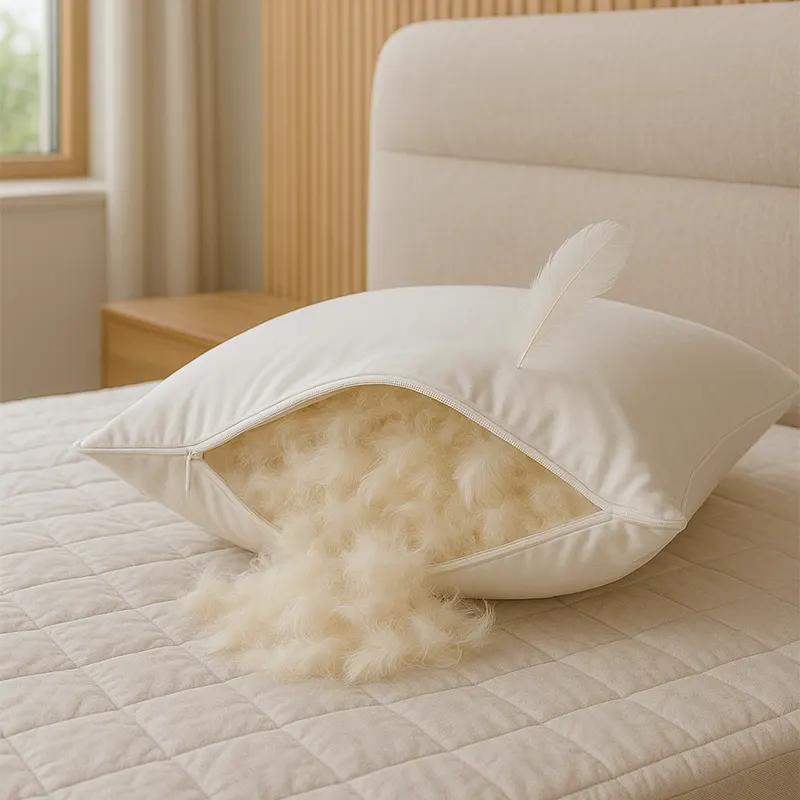
Securing the appropriate filling for cushions and pillows is all about quality, longevity, and distinction in comfort. In Dubai homes, where comfort and style matter equally, having the right filling ensures your living space feels both luxurious and welcoming.
Are Feather Fillings the Secret to Super-Plush Comfort?
Duck or goose exterior feathers are used to produce feather fills. Feathers are prized for their moldability, loft, and softness. Feather-filled pillows and cushions bring that super-soft, hotel-quality luxury most homeowners dream about.

Key Features:
- Loft & Softness: Feathers mold softly against you, giving cushions a cloud-like softness.
- Breathability: High air permeability prevents hot spots, ideal for Dubai’s warm climate.
- Durability: Well cared for feather pillows can last 7–10 years or more.
- Care: Fluffing and gentle shaking will keep them in shape.
- Refinement: Feather-filled pillows add a refined touch to bedrooms and sitting areas.
Tip: Feather-filled pillows are ideal for master bedrooms, living rooms with recliners, or lounges where comfort and refinement are priorities.
Are Synthetic Fillings a Better Modern Alternative?
Synthetic fillings are made from man-made materials such as polyester, microfiber, or hollow fiber. They are light and airy like feathers but come with added benefits like hypoallergenic qualities and easier care.
Key Features:
- Hypoallergenic: Resistant to dust mites, mold, and allergens — great for sensitive users and children.
- Easy Maintenance: Machine washable and fast-drying, ideal for busy families.
- Affordability: More budget-friendly than feather fills without sacrificing comfort.
- Longevity: Retain their shape for 2–5 years, depending on use.
- Flexibility: Available in various firmness levels, from soft to firm.
Tip: Synthetic-filled pillows are great for guest rooms, children’s areas, or outdoor seating where durability and easy care matter most.
What Type of Filling Offers the Right Balance of Softness and Support?
- Feather Fillings: Flexible and yielding, feathers adjust to your body’s shape — ideal for reclining and sleeping.
- Synthetic Fillings: Provide consistent firmness and shape, best for structured cushions or sofas.
Tip: A mix of feather and synthetic fills gives you the best of both worlds — softness and long-term support.
How Long Do These Fillings Last?
- Feather Fillings: May flatten over time and need daily fluffing. A professional clean every 1–2 years restores loft.
- Synthetic Fillings: Good quality synthetics resist clumping and hold their shape longer, with easy replacement when worn out.
Tip: Fluff feather pillows daily and rotate them occasionally to prevent uneven clumping.
Which Filling Is Best for Allergy-Prone Homes?
- Feather Fillings: May cause irritation for sensitive individuals due to natural proteins and dust.
- Synthetic Fillings: Hypoallergenic and mite-proof, making them perfect for families with allergies or pets.
Tip: In pet-friendly or children’s homes, synthetic fillings are often the cleaner and safer choice.
How Easy Is It to Keep Each Filling Material Clean?
- Feather Fillings: Require gentle spot cleaning and annual professional washing.
- Synthetic Fillings: Usually machine washable, quick-drying, and simple to clean daily.
Tip: Choose zipped cushion covers for easy washing without removing the filling.
What Filling Provides the Best Value for Money?
- Feather Fillings: More expensive upfront, but long-term durability and luxury feel justify the cost.
- Synthetic Fillings: Affordable, practical, and ideal for daily use in living areas and children’s rooms.
Tip: Use feather cushions in bedrooms and lounges for a sophisticated touch, and synthetic ones for high-traffic or casual spaces.
Where Should Each Type Be Used?
- Feather Fillings: Best for bedrooms, formal sitting areas, and lounges where luxury and softness are priorities.
- Synthetic Fillings: Ideal for guest bedrooms, kids’ rooms, patios, or outdoor furniture that needs low maintenance.
Tip: Combine feather and synthetic pillows in multi-use spaces to balance comfort and practicality.
FAQs
Will feather pillows become flat over time?
Yes, feather pillows flatten with use and need daily fluffing to restore their shape. Regular maintenance keeps them plush and airy.
Can synthetic fillings cause allergies?
No, synthetic fillings are hypoallergenic, dust-resistant, and safe for children, pets, and allergy sufferers.
Can you mix feather and synthetic fillings?
Yes, mixing the two types creates a perfect combination of softness and structure.
How often should you replace pillows?
Feather pillows typically last 5–7 years with care, while synthetic pillows may need replacement every 3–5 years depending on quality.
Which type breathes better?
Feather fillings are naturally breathable, helping cushions and pillows stay cool even in Dubai’s warm climate.
Ultimately, feather and synthetic fillings each bring unique advantages. Feather pillows provide unmatched softness and elegance, perfect for master bedrooms and lounges. Synthetic fillings offer hygiene, durability, and easy maintenance — ideal for children’s rooms, pets, and high-use spaces. In warm climates like Dubai, combining both types gives you the perfect mix of comfort, luxury, and practicality.




