
What Are Vertical and Horizontal Blinds? Smart Window Choices for 2025 UAE Homes

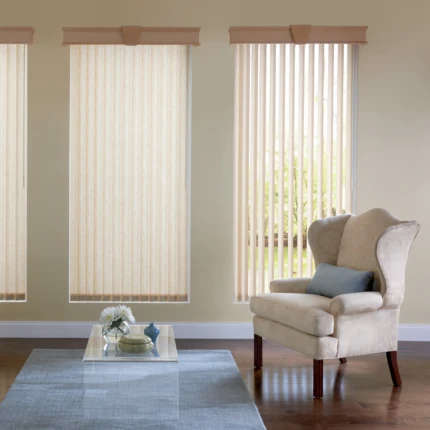
Blinds play an essential role in managing light, comfort, and privacy in interior spaces—especially in regions with intense sunlight like the UAE. As design preferences evolve, the conversation has shifted beyond aesthetics to functionality and climate responsiveness. The vertical vs. horizontal blind debate remains one of the most common questions for homeowners and interior designers in 2025.
Understanding the Basics: Vertical vs. Horizontal Blinds
Though both options serve the same core purpose—light regulation and privacy—they differ significantly in form, function, and best-use scenarios.
- Vertical Blinds: Made of long vertical slats that glide side-to-side, ideal for wide openings.
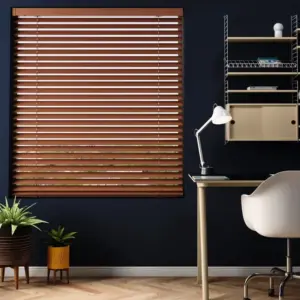
- Horizontal Blinds: Made of stacked horizontal slats that raise and lower, often used for regular-sized windows.
- Both styles are available in materials like wood, PVC, aluminum, and fabric, and can be manually or motor-operated.
The right choice often depends on the window’s size, orientation, and the room’s overall design.
When to Choose Vertical Blinds
Vertical blinds are especially popular in homes with floor-to-ceiling windows or sliding glass doors—common in modern villas and high-rise apartments throughout Dubai, Abu Dhabi, and Sharjah.
- Wide Coverage: Ideal for large windows, glass doors, or balcony entries.
- Room Height Illusion: The vertical alignment visually elongates a room, making ceilings feel higher.
- Ease of Cleaning: Dust is less likely to settle on vertical surfaces, reducing the need for constant upkeep.
- Light Management: Slats can be rotated to angle sunlight up or down without sacrificing privacy.
- Durability: Moisture-resistant options are available for balconies or semi-outdoor spaces.
When Horizontal Blinds Are the Better Option
Horizontal blinds shine in smaller or more traditionally sized windows. Their classic form is easy to operate and fits seamlessly into bedrooms, kitchens, studies, and even home offices.
- Functional Simplicity: Easy to use and great for daily-use rooms.
- Design Versatility: Available in contemporary finishes or natural textures, matching everything from minimalist to vintage interiors.
- Space Efficiency: Stack neatly at the top when open, offering a clean view.
- Flexible Pricing: Materials range from cost-effective aluminum to premium timber for luxurious aesthetics.
- Precision Privacy: Tilt the slats to allow in light without revealing the room’s interior—particularly useful in closely packed apartment complexes.
Key Differences to Consider in UAE Homes
The unique environment and architecture in the UAE influence which blinds perform better in different situations. Here’s what to weigh:
- Window Size: Vertical blinds suit large openings; horizontal work better for standard window frames.
- Sun Exposure: East- and west-facing windows need more sunlight shielding; vertical blinds provide better insulation.
- Cleaning Needs: Horizontal blinds may collect more dust in dry regions; vertical blinds require less maintenance.
- Room Height and Layout: Vertical blinds enhance tall ceilings; horizontal ones balance small or medium rooms.
- Convenience: Vertical blinds slide sideways—ideal for high-traffic doorways. Horizontal blinds must be raised to clear the window.
For more guidance on window treatments best suited to UAE conditions, explore this in-depth curtain and blind comparison guide.
Blinds and Interior Design Trends in the UAE (2025)
Blinds today serve more than just practical needs—they are integral to interior design. Trends in UAE homes reflect a fusion of modern minimalism, smart technology, and earthy aesthetics:
- Natural Finishes: Real wood and eco-friendly materials are growing in popularity for sustainability-conscious homeowners.
- Neutral Colors: Shades like dune beige, pale grey, and warm ivory align with regional design palettes.
- Smart Integration: Motorized blinds that sync with smartphones or home automation systems are increasingly common.
- Layered Styling: Blinds are often paired with sheers or drapery panels for added dimension and insulation.
- Customization: Broader slats, metallic hardware, and dual-tone finishes offer personalization for unique spaces.
Tips for Maintenance and Longevity in UAE Conditions
The dusty environment and high UV exposure in the UAE make maintenance a critical part of preserving blinds over time.
- Routine Dusting: Wipe down slats weekly with a microfiber cloth—especially for horizontal styles.
- Deep Cleaning: Use a damp cloth and mild cleaner for tougher stains monthly.
- Avoid Humidity: Keep wooden blinds out of bathrooms or kitchens unless labeled moisture-resistant.
- UV Protection: Choose blinds with protective finishes to reduce fading and material warping.
Conclusion: Which Blinds Are Right for Your Home?
The vertical vs. horizontal blind decision boils down to the specific needs of your room—considering light, layout, cleaning, and design preferences. Both types offer smart solutions when used strategically in line with UAE’s architecture and climate.
If your windows are expansive or open to balconies, vertical blinds may be the logical solution. For bedrooms, studies, or kitchens with regular-sized windows, horizontal blinds can provide comfort, privacy, and timeless style.




